
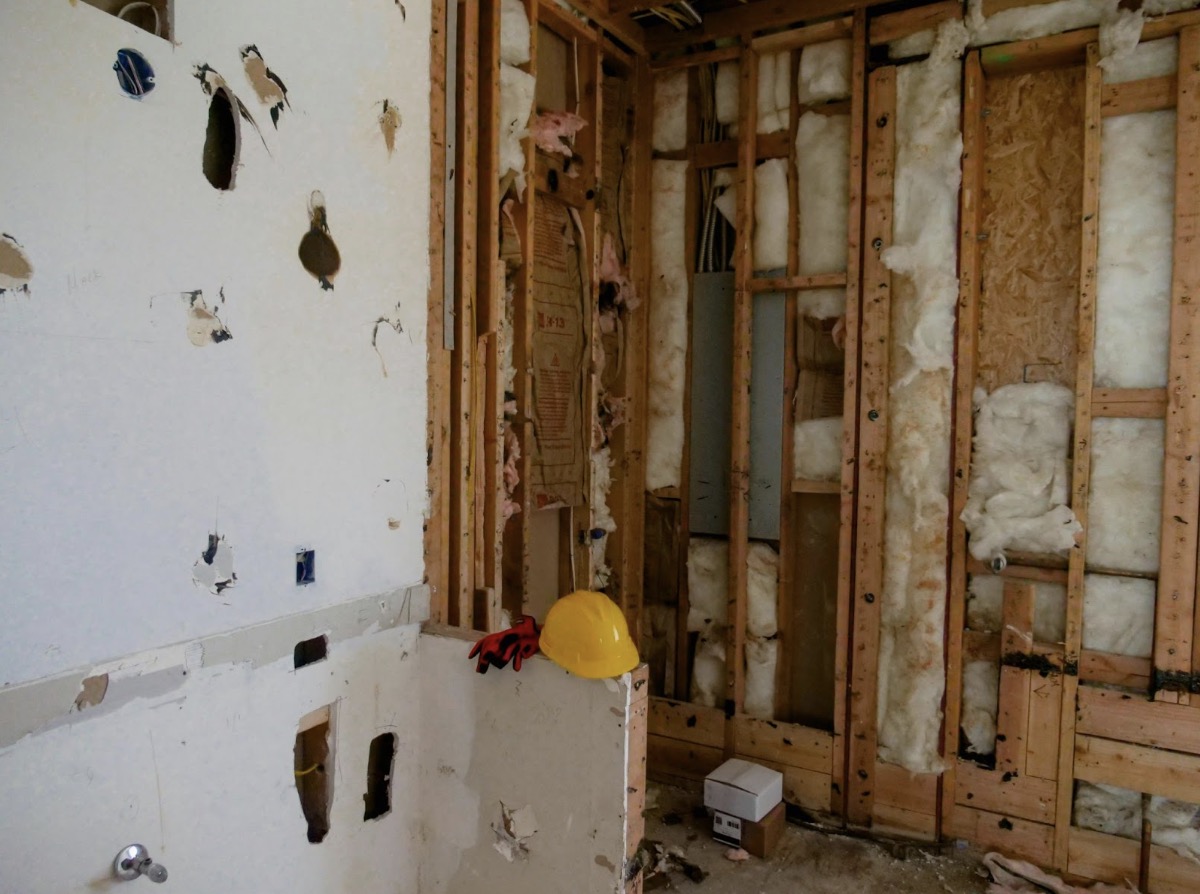
If your home never seems to cool down, your energy bills are climbing, and your air conditioner runs all day long, you might be quick to blame the AC unit. But the real problem is often hiding right above your head in the attic.
Poor or outdated attic insulation is one of the biggest reasons homes overheat and waste energy. The good news? Proper attic insulation installation can fix this. In this article, we’ll walk you through everything you need to know what attic insulation does, why it matters, what types are available, how much it costs, and how to get it done right.
Why Attic Insulation Matters
Most people think of insulation as something you need in cold climates to keep heat inside. That’s true, but insulation works both ways. In a warm climate, good attic insulation keeps the outside heat out of your living space.
Here’s what happens without proper insulation:
- On a hot sunny day, attic temperatures can reach 130°F to 150°F
- That extreme heat radiates down through your ceiling into your living rooms
- Your AC has to work twice as hard to cool your home
- Your energy bills skyrocket
- Your HVAC system wears out faster
It’s not just about temperature control it’s also about moisture and humidity management. Humidity can cause mold, mildew, and wood rot inside your attic if insulation is wrong or poorly installed. This is why attic insulation installation isn’t a one-size-fits-all job. You need the right type, the right thickness, and proper installation to really solve the problem.
Signs Your Attic Insulation Is Failing
Before jumping into solutions, let’s see if your attic insulation is actually the problem. Here are the most common warning signs:
- 1. Your energy bills keep going up. If your electricity costs have been rising even though you haven’t changed your habits, poor insulation is likely letting heat pour into your home.
- 2. Rooms feel hot and uneven. Do some rooms feel significantly hotter than others, especially on the upper floor? That’s a classic sign that attic heat is leaking through the ceiling.
- 3. Your AC runs constantly. A well-insulated home holds cool air longer. If your AC barely shuts off, your insulation may not be doing its job.
- 4. You can see old or thin insulation. If you peek into your attic and the insulation looks thin, compressed, wet, or discolored, it’s time for a replacement or top-up.
- 5. You notice moisture or mold. Humidity can get trapped in your attic. Wet insulation loses its effectiveness and creates a breeding ground for mold.
If you’re experiencing any of these, a proper attic insulation installation is likely exactly what your home needs.
Best Types of Attic Insulation
Not all insulation is created equal. Here are the main types used for attic insulation installation and how they compare:
1. Spray Foam Insulation
Spray foam is widely considered the best overall option for most attics. It expands to fill every crack, gap, and corner creating an airtight seal that keeps both heat and moisture out.
There are two types:
- Closed-cell spray foam denser, more rigid, higher R-value (around R-6.5 per inch), excellent moisture barrier
- Open-cell spray foam lighter, more affordable, good for sound control (around R-3.6 per inch)
Spray foam expands up to 100 times its volume to fill in cracks and crevices, making it the best insulator among common options. It costs more upfront, but the long-term energy savings make it a smart investment.
2. Blown-In Insulation (Fiberglass or Cellulose)
Blown-in insulation is a top contender for existing homes due to its ease of installation and excellent coverage around obstacles found within attics.
- Blown-in fiberglass is affordable, quick to install, and widely available
- Blown-in cellulose is eco-friendly, made from recycled paper, and great at filling odd-shaped spaces
Blown-in insulation is slightly more expensive than batts, but it insulates much better because it can conform to and fill tiny spaces.
3. Fiberglass Batt Insulation
Batt insulation comes in pre-cut rolls or blankets. It’s the most budget-friendly option and works well for attics with standard joist spacing. However, since batts come in square pieces and many parts of an attic have odd shapes, they can’t always cover every opening where air may escape.
4. Radiant Barrier Insulation
A radiant barrier is a reflective foil material installed in the attic to reflect heat away from the living space. It doesn’t add R-value on its own but works very well when combined with other insulation types. For homes with metal roofs or very hot attics, radiant barriers can significantly reduce heat gain.
Understanding R-Value
R-value is the measurement of how well insulation resists heat flow. The higher the R-value, the better the insulation performs. The right R-value for your home depends on your local climate zone.
Here’s a general guide based on climate:
| Climate Type | Recommended R-Value |
|---|---|
| Hot/Tropical Climate | R-30 to R-38 |
| Mixed/Moderate Climate | R-38 to R-49 |
| Cold/Northern Climate | R-49 to R-60 |
The thicker and denser your insulation, the higher the R-value and the more comfortable your home will be year-round.
How Attic Insulation Installation Works
Understanding the process helps you know what to expect when you hire a professional. Here’s a step-by-step overview:
- Step 1 Attic Inspection: A qualified contractor inspects your attic for existing insulation, moisture damage, mold, pest activity, and air leaks. This assessment determines what type and how much insulation you need.
- Step 2 Air Sealing: Before any insulation goes in, gaps and cracks around pipes, vents, light fixtures, and ductwork are sealed. This step is critical because even the best insulation won’t perform well if air is still leaking through.
- Step 3 Old Insulation Removal (If Needed): If your old insulation appears wet, you’ll need to remove it and fix any water leaks before adding new insulation. Water can damage new insulation and encourage mold growth.
- Step 4 Installation: The new insulation is installed whether blown in, sprayed, or rolled out to the proper R-value depth recommended for your climate zone.
- Step 5 Final Inspection: The contractor checks coverage, thickness, and makes sure everything is properly sealed and ventilated.
The entire process for an average home typically takes one to two days.
Attic Insulation Installation Cost
Cost is always a concern. Here’s a realistic breakdown of what you can expect to pay:
The cost to add attic insulation to a home generally ranges from $1,500 to $6,500, depending on the type of insulation chosen, the size of the attic, and whether old insulation needs to be removed.
| Insulation Type | Cost Per Sq Ft (Installed) |
|---|---|
| Fiberglass Batts | $0.70 – $1.20 |
| Blown-In Fiberglass | $1.00 – $2.20 |
| Blown-In Cellulose | $1.00 – $1.80 |
| Spray Foam (Open-Cell) | $2.00 – $3.50 |
| Spray Foam (Closed-Cell) | $3.50 – $5.40 |
If old insulation removal is needed, expect to pay an additional $2 to $4 per square foot on average. The investment pays off a well-insulated home can see cooling and heating bills drop by as much as 10% to 25%, while also extending HVAC lifespan significantly.
DIY vs. Professional Attic Insulation Installation
Many homeowners wonder if they can save money by doing it themselves. Here’s an honest breakdown:
DIY is possible for:
- Laying fiberglass batt insulation on a flat attic floor
- Adding blown-in insulation using rented blower equipment
Professional installation is recommended for:
- Spray foam of any type (requires specialized equipment and training)
- Any attic with moisture, mold, or pest issues
- Air sealing before insulation
- Removing existing damaged insulation
Improperly installed insulation can cost you money on energy bills in the long run. When hiring a contractor, always get at least 3 quotes, check online reviews, verify they are licensed and insured, and ask specifically about their experience with your local climate conditions.
Tips to Get the Most Out of Your Attic Insulation
Once you’ve had your attic insulation installation done, follow these tips to maximize the benefits:
- Seal your attic hatch or door this is often overlooked and is a major source of air leakage
- Check your attic ventilation proper ventilation prevents moisture buildup and extends insulation life
- Inspect annually check for water intrusion or damage after major storms
- Keep your HVAC ducts sealed if ducts run through your attic, make sure they’re properly insulated and sealed
- Consider a radiant barrier adding one on top of existing insulation can boost performance in very hot climates
FAQ: Attic Insulation Installation
Q1: How often should I replace attic insulation?
Most insulation lasts 15 to 30 years depending on the type. However, humidity and weather conditions can degrade it faster. It’s a good idea to inspect your attic insulation every 5 to 10 years and replace it if you notice sagging, moisture, or mold.
Q2: What is the best attic insulation for humid climates?
Closed-cell spray foam is the best choice for humid climates because it acts as both an insulator and a moisture barrier. Blown-in fiberglass is also a solid choice for existing homes at a lower cost.
Q3: Can I add new insulation on top of old insulation?
Yes, in many cases you can simply add new insulation on top of the existing layer as long as the old insulation is dry, clean, and free of mold or pests. If it’s damaged or wet, it must be removed first.
Q4: Will new attic insulation really lower my electricity bill?
Yes. Proper attic insulation installation can reduce your cooling and heating costs by 10% to 25% annually. This adds up to significant savings over time, especially in regions with extreme temperatures.
Q5: Do I need a permit for attic insulation installation?
In most areas, adding insulation to an existing attic does not require a permit. However, if structural changes are involved or new construction is underway, a permit may be needed. Always check with your local building department to be sure.
Q6: How long does attic insulation installation take?
For an average home, professional attic insulation installation typically takes one to two days. The timeline depends on the size of the attic, the type of insulation being installed, and whether old insulation needs to be removed first.
Q7: Is attic insulation worth the cost?
Absolutely. The upfront cost of attic insulation installation is offset by lower energy bills, a longer HVAC lifespan, better indoor comfort, and increased home value. It is one of the highest-return home improvement investments you can make.
Final Thoughts
If your home feels too hot, your energy bills are too high, or your AC never seems to catch a break, your attic insulation could be the root cause. The right attic insulation installation doesn’t just make your home more comfortable; it protects it from moisture damage, reduces wear on your HVAC system, and saves you real money every month.
Whether you choose spray foam, blown-in fiberglass, or batt insulation, the key is to choose what’s right for your local climate and have it installed properly by a qualified professional. Start with a free attic inspection, get multiple quotes, and take the step that homeowners everywhere are taking to beat the heat for good.
Posted by Alexander Gutierrez
Related Articles:
- Creative Tips To Make Your Home More Energy Efficient
- Mesquite Is Good For Golfing
- Understaning 1031 Exchanges In Nevada
- Virgin Valley Heritage Museum
- How Long Does An Eviction Stay On Your Record
- 5 Ways To Increase The Curb Appeal Of Your Desert Home
- How To Stage Your Desert Home For Sale
- What Size Solar Panel For Gate Opener